•  
Crown prince's family at art museum in Tokyo

Crown prince's family at art museum in Tokyo

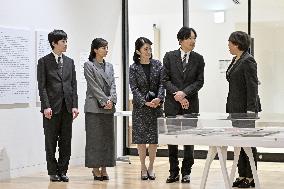
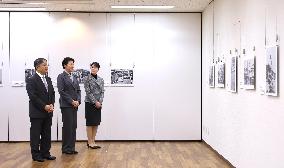
Japanese Crown Prince Fumihito (2nd from R), Crown Princess Kiko (3rd from R), their daughter Princess Kako (2nd from L) and their son Prince Hisahito (far L) visit an exhibition depicting children during and shortly after World War II at the Itabashi Art Museum in Tokyo on Dec. 26, 2025. (Pool photo)

  •  
Crown prince's family at art museum in Tokyo

Crown prince's family at art museum in Tokyo

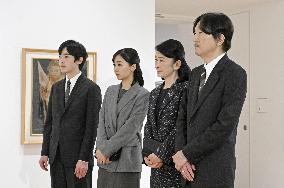
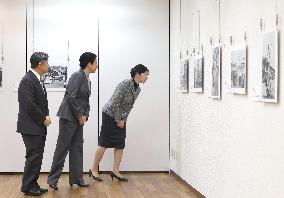
Japanese Crown Prince Fumihito (far R), Crown Princess Kiko (2nd from R), their daughter Princess Kako and their son Prince Hisahito visit an exhibition depicting children during and shortly after World War II at the Itabashi Art Museum in Tokyo on Dec. 26, 2025. (Pool photo)

  •  
Crown prince's family at art museum in Tokyo

Crown prince's family at art museum in Tokyo

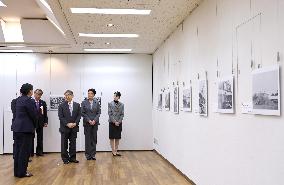
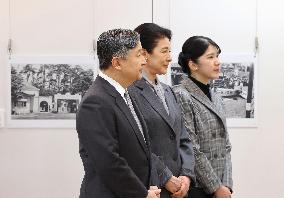
Japanese Crown Prince Fumihito (far R), Crown Princess Kiko (2nd from R), their daughter Princess Kako and their son Prince Hisahito visit an exhibition depicting children during and shortly after World War II at the Itabashi Art Museum in Tokyo on Dec. 26, 2025. (Pool photo)

  •  
Crown prince's family at art museum in Tokyo

Crown prince's family at art museum in Tokyo

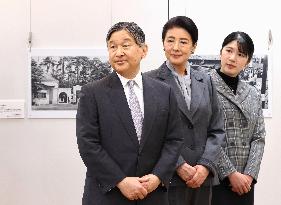
Japanese Crown Prince Fumihito (far R), Crown Princess Kiko (2nd from R), their daughter Princess Kako and their son Prince Hisahito visit an exhibition depicting children during and shortly after World War II at the Itabashi Art Museum in Tokyo on Dec. 26, 2025. (Pool photo)

  •  
Emperor visits photo exhibition

Emperor visits photo exhibition

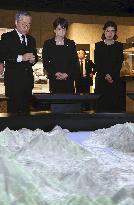
Japanese Emperor Naruhito (3rd from R), Empress Masako and their daughter Princess Aiko visit the National Showa Memorial Museum in Tokyo on Dec. 21, 2025, for a special photo exhibition depicting people's life in Tokyo during World War II. (Pool photo)

  •  
Emperor visits photo exhibition

Emperor visits photo exhibition

Japanese Emperor Naruhito, Empress Masako and their daughter Princess Aiko visit the National Showa Memorial Museum in Tokyo on Dec. 21, 2025, for a special photo exhibition depicting people's life in Tokyo during World War II. (Pool photo)

  •  
Emperor visits photo exhibition

Emperor visits photo exhibition

Japanese Emperor Naruhito, Empress Masako and their daughter Princess Aiko visit the National Showa Memorial Museum in Tokyo on Dec. 21, 2025, for a special photo exhibition depicting people's life in Tokyo during World War II. (Pool photo)

  •  
Emperor visits photo exhibition

Emperor visits photo exhibition

Japanese Emperor Naruhito (3rd from R), Empress Masako (2nd from R) and their daughter Princess Aiko (far R) visit the National Showa Memorial Museum in Tokyo on Dec. 21, 2025, for a special photo exhibition depicting people's life in Tokyo during World War II. (Pool photo)

  •  
Emperor visits photo exhibition

Emperor visits photo exhibition

Japanese Emperor Naruhito, Empress Masako and their daughter Princess Aiko visit the National Showa Memorial Museum in Tokyo on Dec. 21, 2025, for a special photo exhibition depicting people's life in Tokyo during World War II. (Pool photo)

  •  
Emperor visits photo exhibition

Emperor visits photo exhibition

Japanese Emperor Naruhito, Empress Masako and their daughter Princess Aiko visit the National Showa Memorial Museum in Tokyo on Dec. 21, 2025, for a special photo exhibition depicting people's life in Tokyo during World War II. (Pool photo)

  •  
Iraqi Deminer Loses Legs Clearing Mines - Iraq

Iraqi Deminer Loses Legs Clearing Mines - Iraq

Boys play soccer across a field using Hoshyar Ali's prosthetic legs as goal posts in Halabja, Iraq, on November 20, 2025. Hoshyar Ali has been clearing landmines for over four decades, a task he began after the Iran-Iraq war when thousands of mines were planted along the border. Despite losing both legs and several family members to explosions, he continues to volunteer in mine removal. Locals call him “man of the mines,” and he is building a museum in his village to display defused explosives for future generations. Photo by Showan Sulaiman/Middle East Images/ABACAPRESS.COM

  •  
Iraqi Deminer Loses Legs Clearing Mines - Iraq

Iraqi Deminer Loses Legs Clearing Mines - Iraq

Hoshyar Ali sits in the driver's seat of a car in Halabja, Iraq, on November 20, 2025. He has been clearing landmines for over four decades, a task he began after the Iran-Iraq war when thousands of mines were planted along the border. Despite losing both legs and several family members to explosions, he continues to volunteer in mine removal. Locals call him “man of the mines,” and he is building a museum in his village to display defused explosives for future generations. Photo by Showan Sulaiman/Middle East Images/ABACAPRESS.COM

  •  
Iraqi Deminer Loses Legs Clearing Mines - Iraq

Iraqi Deminer Loses Legs Clearing Mines - Iraq

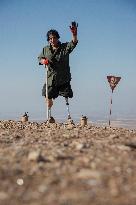
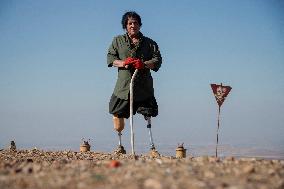
Hoshyar Ali stands among landmines and a warning sign in Halabja, Iraq, on November 20, 2025. He has been clearing landmines for over four decades, a task he began after the Iran-Iraq war when thousands of mines were planted along the border. Despite losing both legs and several family members to explosions, he continues to volunteer in mine removal. Locals call him “man of the mines,” and he is building a museum in his village to display defused explosives for future generations. Photo by Showan Sulaiman/Middle East Images/ABACAPRESS.COM

  •  
Iraqi Deminer Loses Legs Clearing Mines - Iraq

Iraqi Deminer Loses Legs Clearing Mines - Iraq

Hoshyar Ali bends over to inspect a landmine on a hillside in Halabja, Iraq, on November 20, 2025. He has been clearing landmines for over four decades, a task he began after the Iran-Iraq war when thousands of mines were planted along the border. Despite losing both legs and several family members to explosions, he continues to volunteer in mine removal. Locals call him “man of the mines,” and he is building a museum in his village to display defused explosives for future generations. Photo by Showan Sulaiman/Middle East Images/ABACAPRESS.COM

  •  
Iraqi Deminer Loses Legs Clearing Mines - Iraq

Iraqi Deminer Loses Legs Clearing Mines - Iraq

Six boys walk across a field carrying Hoshyar Ali's prosthetic legs in Halabja, Iraq, on November 20, 2025. Hoshyar Ali has been clearing landmines for over four decades, a task he began after the Iran-Iraq war when thousands of mines were planted along the border. Despite losing both legs and several family members to explosions, he continues to volunteer in mine removal. Locals call him “man of the mines,” and he is building a museum in his village to display defused explosives for future generations. Photo by Showan Sulaiman/Middle East Images/ABACAPRESS.COM

  •  
Iraqi Deminer Loses Legs Clearing Mines - Iraq

Iraqi Deminer Loses Legs Clearing Mines - Iraq

Four anti-personnel landmines are displayed on a wooden shelf in Hoshyar Ali's room, turned museum, in Halabja, Iraq, on November 20, 2025. He has been clearing landmines for over four decades, a task he began after the Iran-Iraq war when thousands of mines were planted along the border. Despite losing both legs and several family members to explosions, he continues to volunteer in mine removal. Locals call him “man of the mines,” and he is building a museum in his village to display defused explosives for future generations. Photo by Showan Sulaiman/Middle East Images/ABACAPRESS.COM

  •  
Iraqi Deminer Loses Legs Clearing Mines - Iraq

Iraqi Deminer Loses Legs Clearing Mines - Iraq

Prosthetic legs and a crutch are displayed in front of a shelf of deactivated explosives in Hoshyar Ali's room, turned museum, in Halabja, Iraq, on November 20, 2025. He has been clearing landmines for over four decades, a task he began after the Iran-Iraq war when thousands of mines were planted along the border. Despite losing both legs and several family members to explosions, he continues to volunteer in mine removal. Locals call him “man of the mines,” and he is building a museum in his village to display defused explosives for future generations. Photo by Showan Sulaiman/Middle East Images/ABACAPRESS.COM

  •  
Iraqi Deminer Loses Legs Clearing Mines - Iraq

Iraqi Deminer Loses Legs Clearing Mines - Iraq

Four anti-personnel landmines are displayed on a wooden shelf in Hoshyar Ali's room, turned museum, in Halabja, Iraq, on November 20, 2025. He has been clearing landmines for over four decades, a task he began after the Iran-Iraq war when thousands of mines were planted along the border. Despite losing both legs and several family members to explosions, he continues to volunteer in mine removal. Locals call him “man of the mines,” and he is building a museum in his village to display defused explosives for future generations. Photo by Showan Sulaiman/Middle East Images/ABACAPRESS.COM

  •  
Iraqi Deminer Loses Legs Clearing Mines - Iraq

Iraqi Deminer Loses Legs Clearing Mines - Iraq

Hoshyar Ali holds a deactivated explosive device in his room, turned museum, in Halabja, Iraq, on November 20, 2025. He has been clearing landmines for over four decades, a task he began after the Iran-Iraq war when thousands of mines were planted along the border. Despite losing both legs and several family members to explosions, he continues to volunteer in mine removal. Locals call him “man of the mines,” and he is building a museum in his village to display defused explosives for future generations. Photo by Showan Sulaiman/Middle East Images/ABACAPRESS.COM

  •  
Iraqi Deminer Loses Legs Clearing Mines - Iraq

Iraqi Deminer Loses Legs Clearing Mines - Iraq

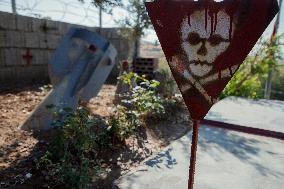
A triangular danger sign is placed near a missile casing collected by Hoshyar Ali in Halabja, Iraq, on November 20, 2025. He has been clearing landmines for over four decades, a task he began after the Iran-Iraq war when thousands of mines were planted along the border. Despite losing both legs and several family members to explosions, he continues to volunteer in mine removal. Locals call him “man of the mines,” and he is building a museum in his village to display defused explosives for future generations. Photo by Showan Sulaiman/Middle East Images/ABACAPRESS.COM

  •  
Iraqi Deminer Loses Legs Clearing Mines - Iraq

Iraqi Deminer Loses Legs Clearing Mines - Iraq

Six deactivated rusty mortar shells collected by Hoshyar Ali rest near a concrete wall in Halabja, Iraq, on November 20, 2025. He has been clearing landmines for over four decades, a task he began after the Iran-Iraq war when thousands of mines were planted along the border. Despite losing both legs and several family members to explosions, he continues to volunteer in mine removal. Locals call him “man of the mines,” and he is building a museum in his village to display defused explosives for future generations. Photo by Showan Sulaiman/Middle East Images/ABACAPRESS.COM

  •  
Iraqi Deminer Loses Legs Clearing Mines - Iraq

Iraqi Deminer Loses Legs Clearing Mines - Iraq

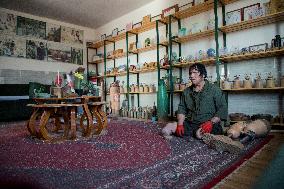
Hoshyar Ali sits in his room, now a museum filled with deactivated explosives and awards, with his two prosthetic legs beside him, in Halabja, Iraq, on November 20, 2025. He has been clearing landmines for over four decades, a task he began after the Iran-Iraq war when thousands of mines were planted along the border. Despite losing both legs and several family members to explosions, he continues to volunteer in mine removal. Locals call him “man of the mines,” and he is building a museum in his village to display defused explosives for future generations. Photo by Showan Sulaiman/Middle East Images/ABACAPRESS.COM

  •  
Iraqi Deminer Loses Legs Clearing Mines - Iraq

Iraqi Deminer Loses Legs Clearing Mines - Iraq

Hoshyar Ali holds a tool and a knife while sitting near landmines on a hillside in Halabja, Iraq, on November 20, 2025. He has been clearing landmines for over four decades, a task he began after the Iran-Iraq war when thousands of mines were planted along the border. Despite losing both legs and several family members to explosions, he continues to volunteer in mine removal. Locals call him “man of the mines,” and he is building a museum in his village to display defused explosives for future generations. Photo by Showan Sulaiman/Middle East Images/ABACAPRESS.COM

  •  
Iraqi Deminer Loses Legs Clearing Mines - Iraq

Iraqi Deminer Loses Legs Clearing Mines - Iraq

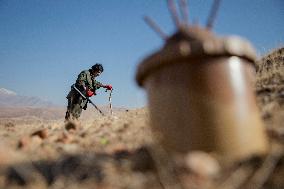
Hoshyar Ali uses a mine detector to find landmines on a hillside in Halabja, Iraq, on November 20, 2025. He has been clearing landmines for over four decades, a task he began after the Iran-Iraq war when thousands of mines were planted along the border. Despite losing both legs and several family members to explosions, he continues to volunteer in mine removal. Locals call him “man of the mines,” and he is building a museum in his village to display defused explosives for future generations. Photo by Showan Sulaiman/Middle East Images/ABACAPRESS.COM

  •  
Iraqi Deminer Loses Legs Clearing Mines - Iraq

Iraqi Deminer Loses Legs Clearing Mines - Iraq

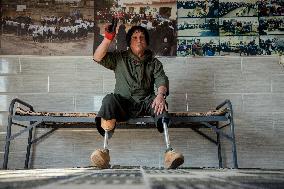
Hoshyar Ali sits on a metal-framed bed, with pictures of his achievements on the wall, and gives a V sign in Halabja, Iraq, on November 20, 2025. He has been clearing landmines for over four decades, a task he began after the Iran-Iraq war when thousands of mines were planted along the border. Despite losing both legs and several family members to explosions, he continues to volunteer in mine removal. Locals call him “man of the mines,” and he is building a museum in his village to display defused explosives for future generations. Photo by Showan Sulaiman/Middle East Images/ABACAPRESS.COM

  •  
Iraqi Deminer Loses Legs Clearing Mines - Iraq

Iraqi Deminer Loses Legs Clearing Mines - Iraq

Hoshyar Ali sits in his room, now a museum filled with deactivated explosives and awards, with his two prosthetic legs beside him, in Halabja, Iraq, on November 20, 2025. He has been clearing landmines for over four decades, a task he began after the Iran-Iraq war when thousands of mines were planted along the border. Despite losing both legs and several family members to explosions, he continues to volunteer in mine removal. Locals call him “man of the mines,” and he is building a museum in his village to display defused explosives for future generations. Photo by Showan Sulaiman/Middle East Images/ABACAPRESS.COM

  •  
Iraqi Deminer Loses Legs Clearing Mines - Iraq

Iraqi Deminer Loses Legs Clearing Mines - Iraq

Hoshyar Ali stands among landmines and a warning sign in Halabja, Iraq, on November 20, 2025. He has been clearing landmines for over four decades, a task he began after the Iran-Iraq war when thousands of mines were planted along the border. Despite losing both legs and several family members to explosions, he continues to volunteer in mine removal. Locals call him “man of the mines,” and he is building a museum in his village to display defused explosives for future generations. Photo by Showan Sulaiman/Middle East Images/ABACAPRESS.COM

  •  
Iraqi Deminer Loses Legs Clearing Mines - Iraq

Iraqi Deminer Loses Legs Clearing Mines - Iraq

A landmine uncovered by Hoshyar Ali remains partially buried in rocky soil in Halabja, Iraq, on November 20, 2025. He has been clearing landmines for over four decades, a task he began after the Iran-Iraq war when thousands of mines were planted along the border. Despite losing both legs and several family members to explosions, he continues to volunteer in mine removal. Locals call him “man of the mines,” and he is building a museum in his village to display defused explosives for future generations. Photo by Showan Sulaiman/Middle East Images/ABACAPRESS.COM

  •  
Kharkiv Astronomers Work Despite Continuing Russo-Ukrainian War - Ukraine

Kharkiv Astronomers Work Despite Continuing Russo-Ukrainian War - Ukraine

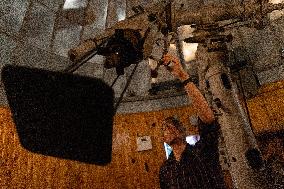
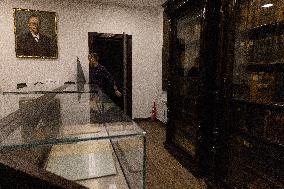
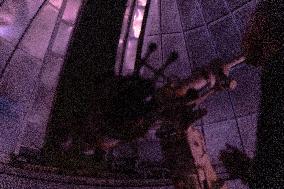
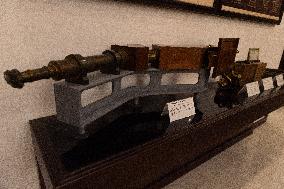
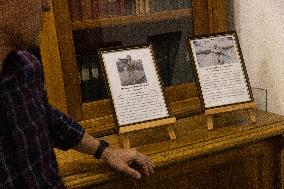
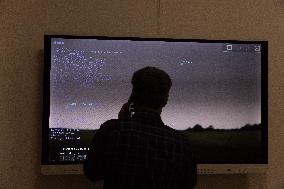
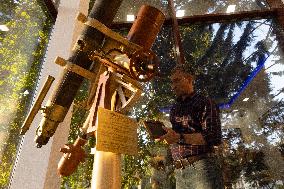
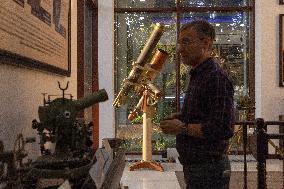
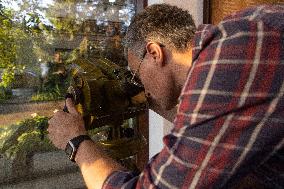
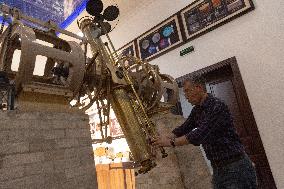
Kharkiv astronomers are only now returning to observations at their own observation base. "The only Ukrainian astronomical observatory that was occupied for a long time" - Vadym Kaidash, head of the scientific research institute of astronomy The full-scale invasion, says Kaidash, deprived Kharkiv astronomers of the opportunity to work at the Chuhuiv observatory of Karazin University. It is located 70 kilometers from Kharkiv - and in 2022 found itself under occupation. We, Kharkiv astronomers, astronomers of Karazin University, have very limited opportunities to observe the starry sky, because telescopes and observation equipment, computers, control systems, etc., are destroyed, do not work. There was an observatory in our suburbs during the occupation. A new exhibition appeared in the university museum of astronomy during the war. In this small exhibition we have evidence of the occupation by the Russians of our Chuguyiv Observatory of the Research Institute of Astronomy. This is the only Ukrainian astronomic

  •  
Kharkiv Astronomers Work Despite Continuing Russo-Ukrainian War - Ukraine

Kharkiv Astronomers Work Despite Continuing Russo-Ukrainian War - Ukraine

Kharkiv astronomers are only now returning to observations at their own observation base. "The only Ukrainian astronomical observatory that was occupied for a long time" - Vadym Kaidash, head of the scientific research institute of astronomy The full-scale invasion, says Kaidash, deprived Kharkiv astronomers of the opportunity to work at the Chuhuiv observatory of Karazin University. It is located 70 kilometers from Kharkiv - and in 2022 found itself under occupation. We, Kharkiv astronomers, astronomers of Karazin University, have very limited opportunities to observe the starry sky, because telescopes and observation equipment, computers, control systems, etc., are destroyed, do not work. There was an observatory in our suburbs during the occupation. A new exhibition appeared in the university museum of astronomy during the war. In this small exhibition we have evidence of the occupation by the Russians of our Chuguyiv Observatory of the Research Institute of Astronomy. This is the only Ukrainian astronomic

  •  
Kharkiv Astronomers Work Despite Continuing Russo-Ukrainian War - Ukraine

Kharkiv Astronomers Work Despite Continuing Russo-Ukrainian War - Ukraine

Kharkiv astronomers are only now returning to observations at their own observation base. "The only Ukrainian astronomical observatory that was occupied for a long time" - Vadym Kaidash, head of the scientific research institute of astronomy The full-scale invasion, says Kaidash, deprived Kharkiv astronomers of the opportunity to work at the Chuhuiv observatory of Karazin University. It is located 70 kilometers from Kharkiv - and in 2022 found itself under occupation. We, Kharkiv astronomers, astronomers of Karazin University, have very limited opportunities to observe the starry sky, because telescopes and observation equipment, computers, control systems, etc., are destroyed, do not work. There was an observatory in our suburbs during the occupation. A new exhibition appeared in the university museum of astronomy during the war. In this small exhibition we have evidence of the occupation by the Russians of our Chuguyiv Observatory of the Research Institute of Astronomy. This is the only Ukrainian astronomic

  •  
Kharkiv Astronomers Work Despite Continuing Russo-Ukrainian War - Ukraine

Kharkiv Astronomers Work Despite Continuing Russo-Ukrainian War - Ukraine

Kharkiv astronomers are only now returning to observations at their own observation base. "The only Ukrainian astronomical observatory that was occupied for a long time" - Vadym Kaidash, head of the scientific research institute of astronomy The full-scale invasion, says Kaidash, deprived Kharkiv astronomers of the opportunity to work at the Chuhuiv observatory of Karazin University. It is located 70 kilometers from Kharkiv - and in 2022 found itself under occupation. We, Kharkiv astronomers, astronomers of Karazin University, have very limited opportunities to observe the starry sky, because telescopes and observation equipment, computers, control systems, etc., are destroyed, do not work. There was an observatory in our suburbs during the occupation. A new exhibition appeared in the university museum of astronomy during the war. In this small exhibition we have evidence of the occupation by the Russians of our Chuguyiv Observatory of the Research Institute of Astronomy. This is the only Ukrainian astronomic

  •  
Kharkiv Astronomers Work Despite Continuing Russo-Ukrainian War - Ukraine

Kharkiv Astronomers Work Despite Continuing Russo-Ukrainian War - Ukraine

Kharkiv astronomers are only now returning to observations at their own observation base. "The only Ukrainian astronomical observatory that was occupied for a long time" - Vadym Kaidash, head of the scientific research institute of astronomy The full-scale invasion, says Kaidash, deprived Kharkiv astronomers of the opportunity to work at the Chuhuiv observatory of Karazin University. It is located 70 kilometers from Kharkiv - and in 2022 found itself under occupation. We, Kharkiv astronomers, astronomers of Karazin University, have very limited opportunities to observe the starry sky, because telescopes and observation equipment, computers, control systems, etc., are destroyed, do not work. There was an observatory in our suburbs during the occupation. A new exhibition appeared in the university museum of astronomy during the war. In this small exhibition we have evidence of the occupation by the Russians of our Chuguyiv Observatory of the Research Institute of Astronomy. This is the only Ukrainian astronomic

  •  
Kharkiv Astronomers Work Despite Continuing Russo-Ukrainian War - Ukraine

Kharkiv Astronomers Work Despite Continuing Russo-Ukrainian War - Ukraine

Kharkiv astronomers are only now returning to observations at their own observation base. "The only Ukrainian astronomical observatory that was occupied for a long time" - Vadym Kaidash, head of the scientific research institute of astronomy The full-scale invasion, says Kaidash, deprived Kharkiv astronomers of the opportunity to work at the Chuhuiv observatory of Karazin University. It is located 70 kilometers from Kharkiv - and in 2022 found itself under occupation. We, Kharkiv astronomers, astronomers of Karazin University, have very limited opportunities to observe the starry sky, because telescopes and observation equipment, computers, control systems, etc., are destroyed, do not work. There was an observatory in our suburbs during the occupation. A new exhibition appeared in the university museum of astronomy during the war. In this small exhibition we have evidence of the occupation by the Russians of our Chuguyiv Observatory of the Research Institute of Astronomy. This is the only Ukrainian astronomic

  •  
Kharkiv Astronomers Work Despite Continuing Russo-Ukrainian War - Ukraine

Kharkiv Astronomers Work Despite Continuing Russo-Ukrainian War - Ukraine

Kharkiv astronomers are only now returning to observations at their own observation base. "The only Ukrainian astronomical observatory that was occupied for a long time" - Vadym Kaidash, head of the scientific research institute of astronomy The full-scale invasion, says Kaidash, deprived Kharkiv astronomers of the opportunity to work at the Chuhuiv observatory of Karazin University. It is located 70 kilometers from Kharkiv - and in 2022 found itself under occupation. We, Kharkiv astronomers, astronomers of Karazin University, have very limited opportunities to observe the starry sky, because telescopes and observation equipment, computers, control systems, etc., are destroyed, do not work. There was an observatory in our suburbs during the occupation. A new exhibition appeared in the university museum of astronomy during the war. In this small exhibition we have evidence of the occupation by the Russians of our Chuguyiv Observatory of the Research Institute of Astronomy. This is the only Ukrainian astronomic

  •  
Kharkiv Astronomers Work Despite Continuing Russo-Ukrainian War - Ukraine

Kharkiv Astronomers Work Despite Continuing Russo-Ukrainian War - Ukraine

Kharkiv astronomers are only now returning to observations at their own observation base. "The only Ukrainian astronomical observatory that was occupied for a long time" - Vadym Kaidash, head of the scientific research institute of astronomy The full-scale invasion, says Kaidash, deprived Kharkiv astronomers of the opportunity to work at the Chuhuiv observatory of Karazin University. It is located 70 kilometers from Kharkiv - and in 2022 found itself under occupation. We, Kharkiv astronomers, astronomers of Karazin University, have very limited opportunities to observe the starry sky, because telescopes and observation equipment, computers, control systems, etc., are destroyed, do not work. There was an observatory in our suburbs during the occupation. A new exhibition appeared in the university museum of astronomy during the war. In this small exhibition we have evidence of the occupation by the Russians of our Chuguyiv Observatory of the Research Institute of Astronomy. This is the only Ukrainian astronomic

  •  
Kharkiv Astronomers Work Despite Continuing Russo-Ukrainian War - Ukraine

Kharkiv Astronomers Work Despite Continuing Russo-Ukrainian War - Ukraine

Kharkiv astronomers are only now returning to observations at their own observation base. "The only Ukrainian astronomical observatory that was occupied for a long time" - Vadym Kaidash, head of the scientific research institute of astronomy The full-scale invasion, says Kaidash, deprived Kharkiv astronomers of the opportunity to work at the Chuhuiv observatory of Karazin University. It is located 70 kilometers from Kharkiv - and in 2022 found itself under occupation. We, Kharkiv astronomers, astronomers of Karazin University, have very limited opportunities to observe the starry sky, because telescopes and observation equipment, computers, control systems, etc., are destroyed, do not work. There was an observatory in our suburbs during the occupation. A new exhibition appeared in the university museum of astronomy during the war. In this small exhibition we have evidence of the occupation by the Russians of our Chuguyiv Observatory of the Research Institute of Astronomy. This is the only Ukrainian astronomic

  •  
Kharkiv Astronomers Work Despite Continuing Russo-Ukrainian War - Ukraine

Kharkiv Astronomers Work Despite Continuing Russo-Ukrainian War - Ukraine

Kharkiv astronomers are only now returning to observations at their own observation base. "The only Ukrainian astronomical observatory that was occupied for a long time" - Vadym Kaidash, head of the scientific research institute of astronomy The full-scale invasion, says Kaidash, deprived Kharkiv astronomers of the opportunity to work at the Chuhuiv observatory of Karazin University. It is located 70 kilometers from Kharkiv - and in 2022 found itself under occupation. We, Kharkiv astronomers, astronomers of Karazin University, have very limited opportunities to observe the starry sky, because telescopes and observation equipment, computers, control systems, etc., are destroyed, do not work. There was an observatory in our suburbs during the occupation. A new exhibition appeared in the university museum of astronomy during the war. In this small exhibition we have evidence of the occupation by the Russians of our Chuguyiv Observatory of the Research Institute of Astronomy. This is the only Ukrainian astronomic

  •  
Kharkiv Astronomers Work Despite Continuing Russo-Ukrainian War - Ukraine

Kharkiv Astronomers Work Despite Continuing Russo-Ukrainian War - Ukraine

Kharkiv astronomers are only now returning to observations at their own observation base. "The only Ukrainian astronomical observatory that was occupied for a long time" - Vadym Kaidash, head of the scientific research institute of astronomy The full-scale invasion, says Kaidash, deprived Kharkiv astronomers of the opportunity to work at the Chuhuiv observatory of Karazin University. It is located 70 kilometers from Kharkiv - and in 2022 found itself under occupation. We, Kharkiv astronomers, astronomers of Karazin University, have very limited opportunities to observe the starry sky, because telescopes and observation equipment, computers, control systems, etc., are destroyed, do not work. There was an observatory in our suburbs during the occupation. A new exhibition appeared in the university museum of astronomy during the war. In this small exhibition we have evidence of the occupation by the Russians of our Chuguyiv Observatory of the Research Institute of Astronomy. This is the only Ukrainian astronomic

  •  
Kharkiv Astronomers Work Despite Continuing Russo-Ukrainian War - Ukraine

Kharkiv Astronomers Work Despite Continuing Russo-Ukrainian War - Ukraine

Kharkiv astronomers are only now returning to observations at their own observation base. "The only Ukrainian astronomical observatory that was occupied for a long time" - Vadym Kaidash, head of the scientific research institute of astronomy The full-scale invasion, says Kaidash, deprived Kharkiv astronomers of the opportunity to work at the Chuhuiv observatory of Karazin University. It is located 70 kilometers from Kharkiv - and in 2022 found itself under occupation. We, Kharkiv astronomers, astronomers of Karazin University, have very limited opportunities to observe the starry sky, because telescopes and observation equipment, computers, control systems, etc., are destroyed, do not work. There was an observatory in our suburbs during the occupation. A new exhibition appeared in the university museum of astronomy during the war. In this small exhibition we have evidence of the occupation by the Russians of our Chuguyiv Observatory of the Research Institute of Astronomy. This is the only Ukrainian astronomic

  •  
Kharkiv Astronomers Work Despite Continuing Russo-Ukrainian War - Ukraine

Kharkiv Astronomers Work Despite Continuing Russo-Ukrainian War - Ukraine

Kharkiv astronomers are only now returning to observations at their own observation base. "The only Ukrainian astronomical observatory that was occupied for a long time" - Vadym Kaidash, head of the scientific research institute of astronomy The full-scale invasion, says Kaidash, deprived Kharkiv astronomers of the opportunity to work at the Chuhuiv observatory of Karazin University. It is located 70 kilometers from Kharkiv - and in 2022 found itself under occupation. We, Kharkiv astronomers, astronomers of Karazin University, have very limited opportunities to observe the starry sky, because telescopes and observation equipment, computers, control systems, etc., are destroyed, do not work. There was an observatory in our suburbs during the occupation. A new exhibition appeared in the university museum of astronomy during the war. In this small exhibition we have evidence of the occupation by the Russians of our Chuguyiv Observatory of the Research Institute of Astronomy. This is the only Ukrainian astronomic

  •  
Kharkiv Astronomers Work Despite Continuing Russo-Ukrainian War - Ukraine

Kharkiv Astronomers Work Despite Continuing Russo-Ukrainian War - Ukraine

Kharkiv astronomers are only now returning to observations at their own observation base. "The only Ukrainian astronomical observatory that was occupied for a long time" - Vadym Kaidash, head of the scientific research institute of astronomy The full-scale invasion, says Kaidash, deprived Kharkiv astronomers of the opportunity to work at the Chuhuiv observatory of Karazin University. It is located 70 kilometers from Kharkiv - and in 2022 found itself under occupation. We, Kharkiv astronomers, astronomers of Karazin University, have very limited opportunities to observe the starry sky, because telescopes and observation equipment, computers, control systems, etc., are destroyed, do not work. There was an observatory in our suburbs during the occupation. A new exhibition appeared in the university museum of astronomy during the war. In this small exhibition we have evidence of the occupation by the Russians of our Chuguyiv Observatory of the Research Institute of Astronomy. This is the only Ukrainian astronomic

  •  
Kharkiv Astronomers Work Despite Continuing Russo-Ukrainian War - Ukraine

Kharkiv Astronomers Work Despite Continuing Russo-Ukrainian War - Ukraine

Kharkiv astronomers are only now returning to observations at their own observation base. "The only Ukrainian astronomical observatory that was occupied for a long time" - Vadym Kaidash, head of the scientific research institute of astronomy The full-scale invasion, says Kaidash, deprived Kharkiv astronomers of the opportunity to work at the Chuhuiv observatory of Karazin University. It is located 70 kilometers from Kharkiv - and in 2022 found itself under occupation. We, Kharkiv astronomers, astronomers of Karazin University, have very limited opportunities to observe the starry sky, because telescopes and observation equipment, computers, control systems, etc., are destroyed, do not work. There was an observatory in our suburbs during the occupation. A new exhibition appeared in the university museum of astronomy during the war. In this small exhibition we have evidence of the occupation by the Russians of our Chuguyiv Observatory of the Research Institute of Astronomy. This is the only Ukrainian astronomic

  •  
Kharkiv Astronomers Work Despite Continuing Russo-Ukrainian War - Ukraine

Kharkiv Astronomers Work Despite Continuing Russo-Ukrainian War - Ukraine

Kharkiv astronomers are only now returning to observations at their own observation base. "The only Ukrainian astronomical observatory that was occupied for a long time" - Vadym Kaidash, head of the scientific research institute of astronomy The full-scale invasion, says Kaidash, deprived Kharkiv astronomers of the opportunity to work at the Chuhuiv observatory of Karazin University. It is located 70 kilometers from Kharkiv - and in 2022 found itself under occupation. We, Kharkiv astronomers, astronomers of Karazin University, have very limited opportunities to observe the starry sky, because telescopes and observation equipment, computers, control systems, etc., are destroyed, do not work. There was an observatory in our suburbs during the occupation. A new exhibition appeared in the university museum of astronomy during the war. In this small exhibition we have evidence of the occupation by the Russians of our Chuguyiv Observatory of the Research Institute of Astronomy. This is the only Ukrainian astronomic

  •  
Kharkiv Astronomers Work Despite Continuing Russo-Ukrainian War - Ukraine

Kharkiv Astronomers Work Despite Continuing Russo-Ukrainian War - Ukraine

Kharkiv astronomers are only now returning to observations at their own observation base. "The only Ukrainian astronomical observatory that was occupied for a long time" - Vadym Kaidash, head of the scientific research institute of astronomy The full-scale invasion, says Kaidash, deprived Kharkiv astronomers of the opportunity to work at the Chuhuiv observatory of Karazin University. It is located 70 kilometers from Kharkiv - and in 2022 found itself under occupation. We, Kharkiv astronomers, astronomers of Karazin University, have very limited opportunities to observe the starry sky, because telescopes and observation equipment, computers, control systems, etc., are destroyed, do not work. There was an observatory in our suburbs during the occupation. A new exhibition appeared in the university museum of astronomy during the war. In this small exhibition we have evidence of the occupation by the Russians of our Chuguyiv Observatory of the Research Institute of Astronomy. This is the only Ukrainian astronomic

  •  
Kharkiv Astronomers Work Despite Continuing Russo-Ukrainian War - Ukraine

Kharkiv Astronomers Work Despite Continuing Russo-Ukrainian War - Ukraine

Kharkiv astronomers are only now returning to observations at their own observation base. "The only Ukrainian astronomical observatory that was occupied for a long time" - Vadym Kaidash, head of the scientific research institute of astronomy The full-scale invasion, says Kaidash, deprived Kharkiv astronomers of the opportunity to work at the Chuhuiv observatory of Karazin University. It is located 70 kilometers from Kharkiv - and in 2022 found itself under occupation. We, Kharkiv astronomers, astronomers of Karazin University, have very limited opportunities to observe the starry sky, because telescopes and observation equipment, computers, control systems, etc., are destroyed, do not work. There was an observatory in our suburbs during the occupation. A new exhibition appeared in the university museum of astronomy during the war. In this small exhibition we have evidence of the occupation by the Russians of our Chuguyiv Observatory of the Research Institute of Astronomy. This is the only Ukrainian astronomic

  •  
Kharkiv Astronomers Work Despite Continuing Russo-Ukrainian War - Ukraine

Kharkiv Astronomers Work Despite Continuing Russo-Ukrainian War - Ukraine

Kharkiv astronomers are only now returning to observations at their own observation base. "The only Ukrainian astronomical observatory that was occupied for a long time" - Vadym Kaidash, head of the scientific research institute of astronomy The full-scale invasion, says Kaidash, deprived Kharkiv astronomers of the opportunity to work at the Chuhuiv observatory of Karazin University. It is located 70 kilometers from Kharkiv - and in 2022 found itself under occupation. We, Kharkiv astronomers, astronomers of Karazin University, have very limited opportunities to observe the starry sky, because telescopes and observation equipment, computers, control systems, etc., are destroyed, do not work. There was an observatory in our suburbs during the occupation. A new exhibition appeared in the university museum of astronomy during the war. In this small exhibition we have evidence of the occupation by the Russians of our Chuguyiv Observatory of the Research Institute of Astronomy. This is the only Ukrainian astronomic

  •  
Kharkiv Astronomers Work Despite Continuing Russo-Ukrainian War - Ukraine

Kharkiv Astronomers Work Despite Continuing Russo-Ukrainian War - Ukraine

Kharkiv astronomers are only now returning to observations at their own observation base. "The only Ukrainian astronomical observatory that was occupied for a long time" - Vadym Kaidash, head of the scientific research institute of astronomy The full-scale invasion, says Kaidash, deprived Kharkiv astronomers of the opportunity to work at the Chuhuiv observatory of Karazin University. It is located 70 kilometers from Kharkiv - and in 2022 found itself under occupation. We, Kharkiv astronomers, astronomers of Karazin University, have very limited opportunities to observe the starry sky, because telescopes and observation equipment, computers, control systems, etc., are destroyed, do not work. There was an observatory in our suburbs during the occupation. A new exhibition appeared in the university museum of astronomy during the war. In this small exhibition we have evidence of the occupation by the Russians of our Chuguyiv Observatory of the Research Institute of Astronomy. This is the only Ukrainian astronomic

  •  
Kharkiv Astronomers Work Despite Continuing Russo-Ukrainian War - Ukraine

Kharkiv Astronomers Work Despite Continuing Russo-Ukrainian War - Ukraine

Kharkiv astronomers are only now returning to observations at their own observation base. "The only Ukrainian astronomical observatory that was occupied for a long time" - Vadym Kaidash, head of the scientific research institute of astronomy The full-scale invasion, says Kaidash, deprived Kharkiv astronomers of the opportunity to work at the Chuhuiv observatory of Karazin University. It is located 70 kilometers from Kharkiv - and in 2022 found itself under occupation. We, Kharkiv astronomers, astronomers of Karazin University, have very limited opportunities to observe the starry sky, because telescopes and observation equipment, computers, control systems, etc., are destroyed, do not work. There was an observatory in our suburbs during the occupation. A new exhibition appeared in the university museum of astronomy during the war. In this small exhibition we have evidence of the occupation by the Russians of our Chuguyiv Observatory of the Research Institute of Astronomy. This is the only Ukrainian astronomic

  •  
Kharkiv Astronomers Work Despite Continuing Russo-Ukrainian War - Ukraine

Kharkiv Astronomers Work Despite Continuing Russo-Ukrainian War - Ukraine

Kharkiv astronomers are only now returning to observations at their own observation base. "The only Ukrainian astronomical observatory that was occupied for a long time" - Vadym Kaidash, head of the scientific research institute of astronomy The full-scale invasion, says Kaidash, deprived Kharkiv astronomers of the opportunity to work at the Chuhuiv observatory of Karazin University. It is located 70 kilometers from Kharkiv - and in 2022 found itself under occupation. We, Kharkiv astronomers, astronomers of Karazin University, have very limited opportunities to observe the starry sky, because telescopes and observation equipment, computers, control systems, etc., are destroyed, do not work. There was an observatory in our suburbs during the occupation. A new exhibition appeared in the university museum of astronomy during the war. In this small exhibition we have evidence of the occupation by the Russians of our Chuguyiv Observatory of the Research Institute of Astronomy. This is the only Ukrainian astronomic

  • Main
  • Top
  • Editorial
  • Creative
  • About Us
  • About ILG
  • Terms of use
  • Company
  • BEHIND
  • Price List
  • Single Plan
  • Monthly Plan
  • Services
  • Shooting
  • Rights Clearance
  • Support
  • FAQ
  • How To Buy
  • Contact Us
  • Become a Partner

© KYODO NEWS IMAGES INC

All Rights Reserved.

  • Editorial
  • Olympics
  • News
  • Sports
  • Japan
  • Tech
  • Royal
  • Disaster
  • NorthKorea
  • Old Japan
  • SNS
  • Creative
  • Food
  • Japan
  • Landscape
  • Animal
  • Popular
  • #Ukraine
  • #Thailand
  • #coronavirus
  • #N. Korea
  • #China
  • #Russia
  • #Ukraine
  • #Thailand
  • #coronavirus
  • #N. Korea
  • #China
  • #Russia
  • Food
  • Japan
  • Landscape
  • Animal
  • Olympics
  • News
  • Sports
  • Japan
  • Tech
  • Royal
  • Disaster
  • NorthKorea
  • Old Japan
  • SNS